


Sickle cell disease (SCD) is a group of inherited red blood cell disorders, with masitinib being developed to treat the most severe forms of the disease, which account for approximately 65% of cases. Severe SCD poses a major public health challenge and often leads to early death. While SCD treatment can be curative through gene therapy (targeting the HbS mutation), this option remains extremely limited due to donor scarcity, unresolved safety challenges, and high costs. Standard treatment for SCD includes red blood cell transfusions and treatment with hydroxyurea to manage complications; however, significant unmet needs persist.
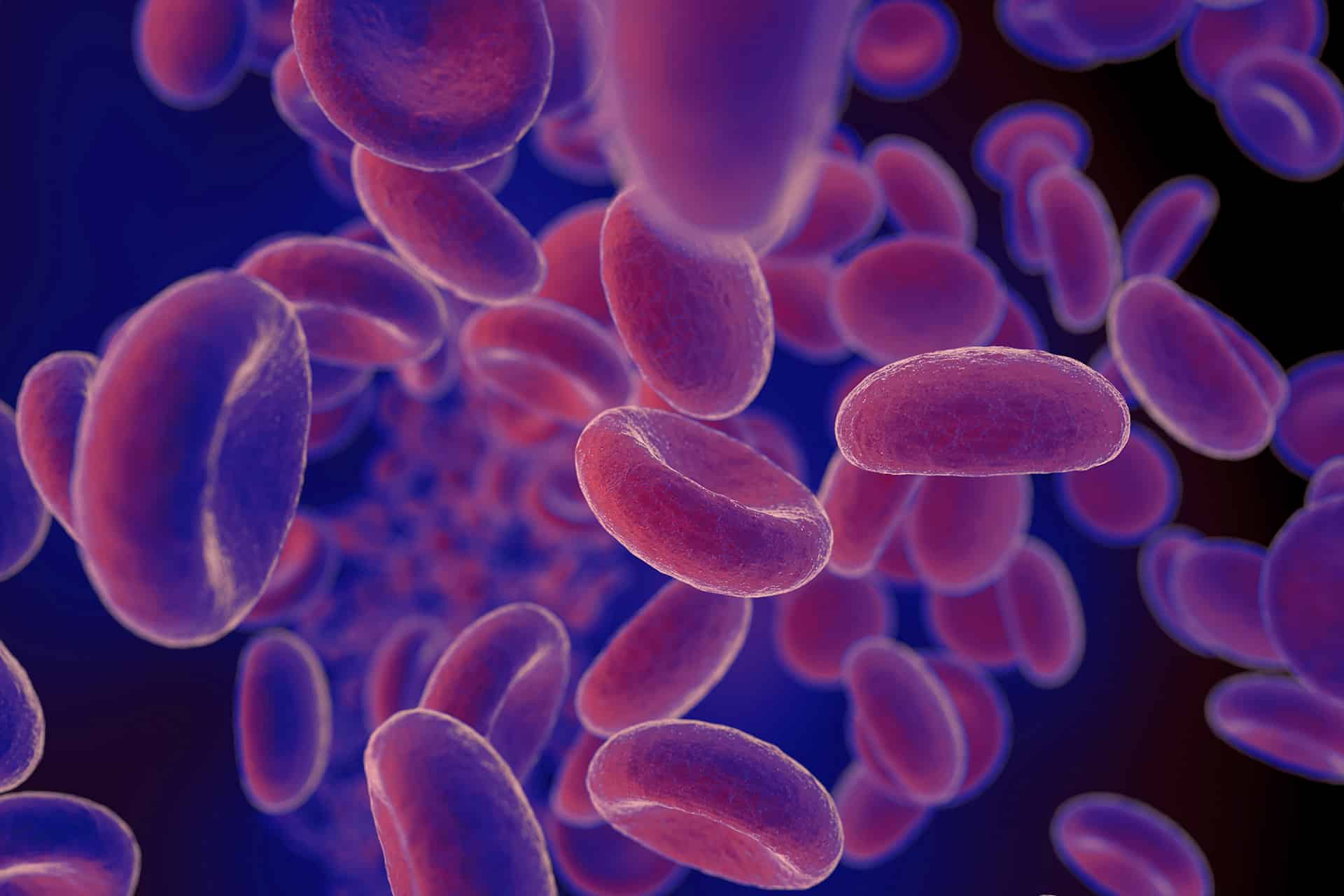
Masitinib mechanism of action in sickle cell disease
Inflammation mediated by innate immune cells and promoting vaso-occlusion has recently been shown to play a major role in sickle cell disease. In particular, our clinical observations and experimental work in mice, have revealed the involvement of mast cells and basophils in complications associated with sickle cell disease:
- The degree of mast cell activation in patients with sickle cell disease may contribute to the heterogeneity of inflammation and chronic and acute complications.
- The potential role of basophils in sickle cell disease has not been studied, however, given their role in various diseases and their ability to release substance P and histamine, they could also play important roles in the pathophysiology of sickle cell disease.
Masitinib is an inhibitor of KIT, LYN, and FYN, three major kinases involved in the activation of mast cells and basophils.